The English You Don't Hear
Did you know that English has two basic types of words?
Function Words vs. Content Words
Did you know that English has two basic types of words?
Content words carry most of the meaning. They are words like car, run, happy, dangerous, teacher, and music. These words are usually easy to imagine, explain, or translate.
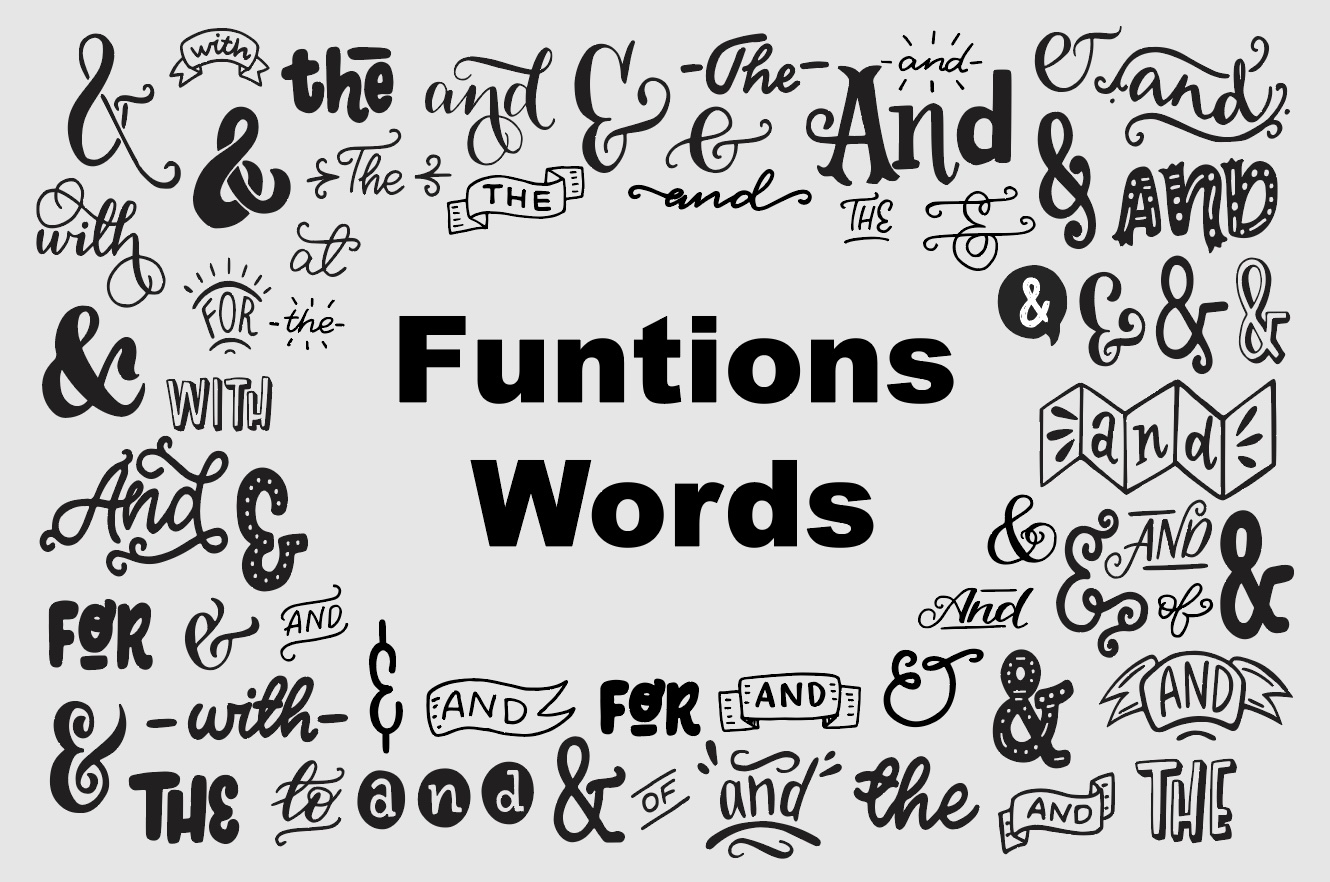
Function words are different. They are small grammar words such as a, the, is, was, to, of, and for. They help connect the important words and show how a sentence works.
When you read English, you can see every word clearly. But when people speak naturally, you often do not hear every word clearly.
Why?
Function words are usually not stressed. They become shorter, weaker, and often connect to the words around them.
For example:
- She is running. → may sound like She's running.
- I like to play. → to may sound more like ta: I like-ta play.
- I want a car. → may sound like I wanna car.
- A cup of coffee. → of may become very weak: a cup-a coffee.
This is one reason spoken English can sound very different from written English. You may know every word in a sentence, but still have trouble hearing the sentence when someone says it quickly.
This happens because your brain may be listening for the written form of the words. But native and fluent speakers do not pronounce every word separately. Words connect, sounds change, and small grammar words often become very weak.
Do You Need to Memorize These Rules?
No. You do not need to study hundreds of pronunciation rules.
The best way to learn these sound patterns is to hear them again and again in natural English. After enough listening, your brain starts to recognize them automatically.
This is especially helpful when you listen to English that is close to your level. The conversation should be challenging enough to help you improve, but not so difficult that you understand almost nothing.
That is one reason we created ELLLO: to give you lots of free listening practice at different levels. By listening regularly, you can train your ear to hear the English people actually speak, not only the English you see in a textbook.
Remember: You do not need to hear every word perfectly. Focus on the important words, keep listening, and let your ear learn the patterns naturally.