
 |
 |
Brett
|
Senem
|
Extended Family
Senem and Brett talk about their families.
Brett: Hi, Senum, how are you?
Senum: Good, thank you Brett. How are you?
Brett: Very good. So let's talk about family today.
Senum: Alrighty then.
Brett: So, how large is your family?
Senum: Well, actually, I'm an only child, but I have a very large extended family.
Brett: What ethnicity?
Senum: I'm actualy, my families Turkish.
Brett: Really!
Senum: Yeah. We're all, like, my family immigrated from Türkiye about 20 years ago, so we all came down to Türkiye, and I was born in Australia actually, and I have a lot of family in Türkiye, as well as Australia now.
Brett: Do you still practice Turkish customs?
Senum: Of course.
Brett: Even though, you're living in Australia.
Senum: Definitely. We always have Turkish meals, celebrate Turkish days, and ...
Brett: Like what kind of Turkish days?
Senum: For example, we have Children's Day, and we celebrate that, where the children actually go to the elderly, the elder members of their families, and they go visit them, and they actually receive some money.
Brett: Really?
Senum: It's quite interesting. Yeah.
Brett: What other holidays do you celebrate?
Senum: Also, we celebrate, it's called Lolliday.
Brett: Lolliday?
Senum: Yeah, and we just, the whole aim of it is, once again, to go to the elderly and to see them and to tell them that we care about them still, and that we are still thinking of them, even though we don't see them probably every other day.
That's about it. How about you Brett? How many people are in your family?
Brett: I have one younger brother and just my mom and dad.
Senum: I see, and how about your extended family?
Brett: Extended family? I have a lot of extended family, on both sides. It's too many to count, really so.
Senum: So, do you get together like on the weekends or anything like that?
Brett: Yeah sometimes. My uncle has a very nice place that has a pool and all my cousins go out there every weekend and have usually a barbeque.
Senum: Oh, sounds so cool. I pretty much do the same. We always try to organize some barbeques, some things like that, down by the beach, or at the parks, and we get together, a whole bunch of people, about 20 to 30 people, have lots of meat. So, it's quite good.
Brett: Lots of meat.
Senum: Yeah. The kids go running around everywhere.
alrighty then

So, let's talk about family today.
Alrighty then.
'Alrighty then' is an informal expression people use to show they are ready to continue or agree with what was just said. Notice the following:
- Alrighty then, let's get started.
- Alrighty then, I'll see you tomorrow.
only child
I'm an only child, but I have a very large extended family.
An 'only child' is a person who has no brothers or sisters. Notice the following:
- She was an only child growing up.
- I'm an only child, so I never had siblings.
extended family
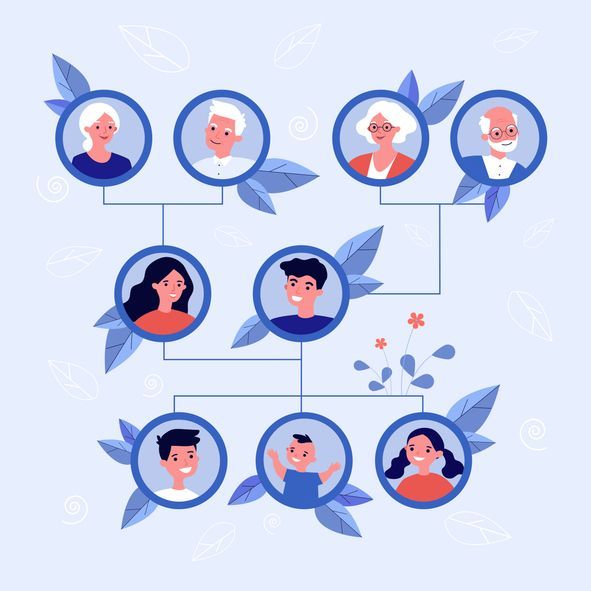
I have a very large extended family.
Your 'extended family' includes relatives such as grandparents, aunts, uncles, and cousins, not just your parents and siblings. Notice the following:
- We visit our extended family every summer.
- My extended family lives in different countries.
ethnicity
What ethnicity are you?
Your 'ethnicity' is the cultural or national group that your family comes from. Notice the following:
- The city has people from many different ethnicities.
- She is proud of her ethnicity and traditions.
immigrated
My family immigrated from Türkiye about 20 years ago.
If people 'immigrated,' they moved to another country to live there permanently. Notice the following:
- His grandparents immigrated to Canada.
- Many families immigrated for better opportunities.
practice customs
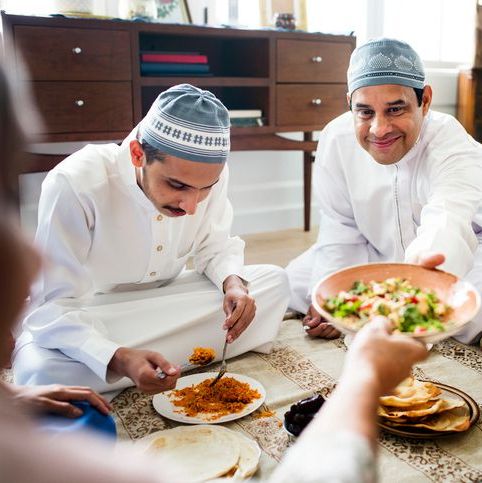
Do you still practice Turkish customs?
To 'practice customs' means to continue following the traditions of your culture. Notice the following:
- They still practice many local customs.
- My family practices traditional holiday customs.
celebrate

We always have Turkish meals and celebrate Turkish days.
To 'celebrate' means to do something special for an important event or holiday. Notice the following:
- We celebrate New Year's Day with our family.
- They celebrated their wedding anniversary.
the elderly
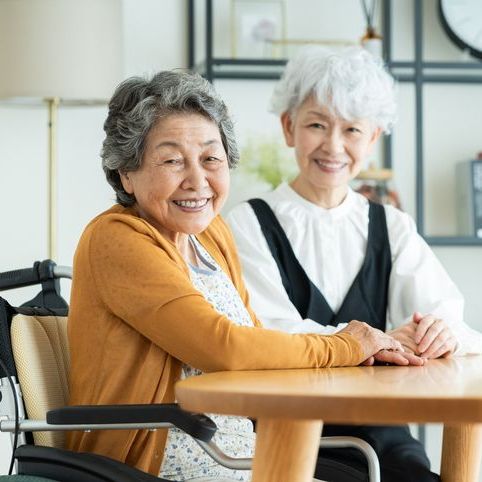
The children actually go to the elderly.
'The elderly' refers to older people, especially those who are advanced in age. Notice the following:
- The volunteers help the elderly every weekend.
- Many services are available for the elderly.
the whole aim
The whole aim of it is to go to the elderly.
The phrase 'the whole aim' means the main purpose or goal of something. Notice the following:
- The whole aim of the project is to help students.
- The whole aim of the meeting was to solve the problem.
once again

The whole aim of it is, once again, to go to the elderly.
We use 'once again' to repeat or emphasize something that has already been said. Notice the following:
- Once again, thank you for your help.
- I'd like to explain the rules once again.
care about
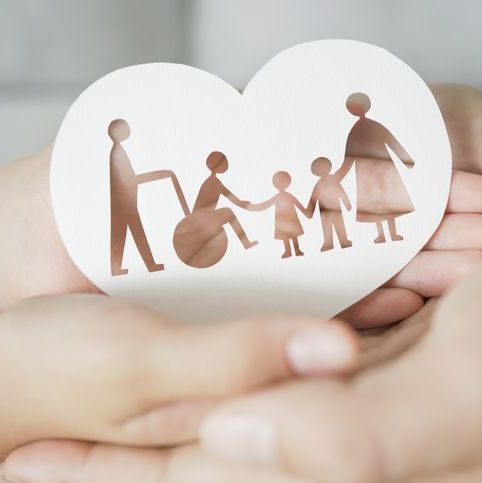
We care about them.
If you 'care about' a person or thing, their condition, such as health, well-being, or happiness, is important to you. Notice the following:
- I really care about my friends.
- She cares about the environment.
thinking of

We are still thinking of them.
If you are 'thinking of' someone, they are in your thoughts or on your mind. Notice the following:
- I was thinking of you yesterday.
- We're thinking of our grandparents today.
both sides
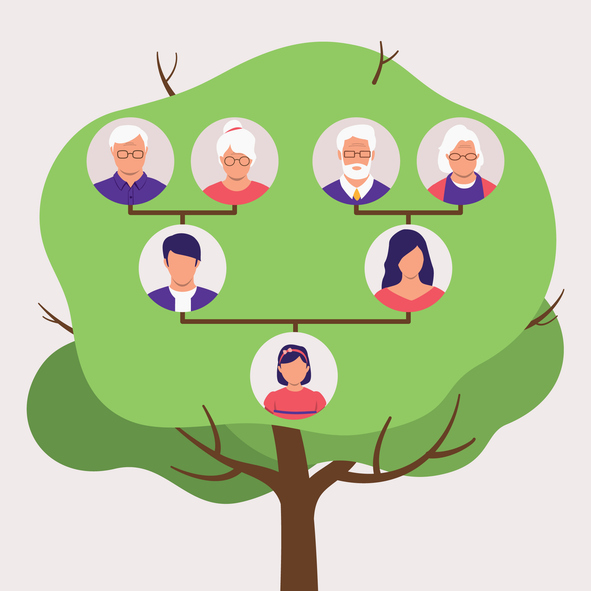
I have a lot of extended family, on both sides.
Here, 'both sides' refers to your mother's family and your father's family. Notice the following:
- I have cousins on both sides of my family.
- We celebrate holidays with both sides.
too many to count

It's too many to count, really so.
The phrase 'too many to count' means there are so many that it is difficult or impossible to count them all. Notice the following:
- There were too many stars to count.
- She has too many books to count.
get together
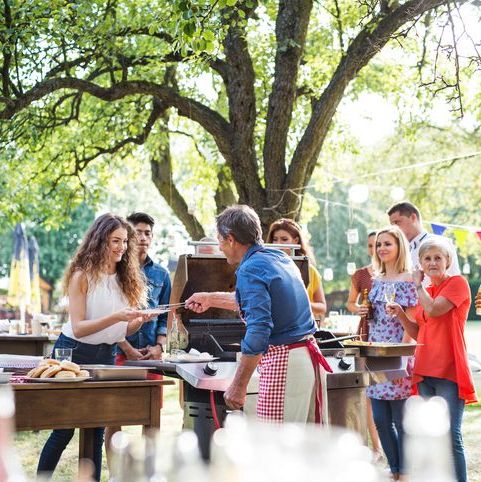
Do you get together on the weekends?
To 'get together' means to meet socially with family or friends. Notice the following:
- Our family gets together every Christmas.
- Let's get together for lunch next week.
or anything like that
Do you get together on the weekends or anything like that?
We use 'or anything like that' to include similar activities or situations without naming them all. Notice the following:
- Do you play sports or anything like that?
- Have you been camping or anything like that?
pretty much do the same
Sounds so cool. I pretty much do the same.
The phrase 'pretty much do the same' means your actions are almost the same as someone else's. Notice the following:
- We pretty much do the same every weekend.
- My brother and I pretty much do the same job.
down by
We always try to organize some barbecues down by the beach.
The phrase 'down by' means near a particular place. Notice the following:
- There's a nice café down by the river.
- We met down by the station.
running around
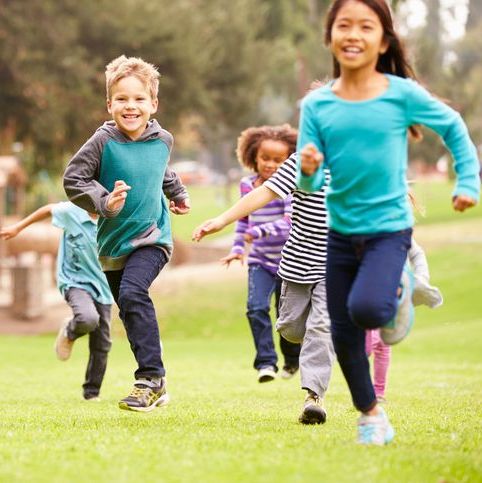
We kids go running around everywhere.
'Running around' means moving from place to place in an active or playful way. Notice the following:
- The children were running around the park.
- I've been running around all day doing errands.
Vocabulary Quiz
on both sides • running


More Listening Lessons by ELLLO
Free Worksheets
and Courses